Urban Commuting Tips
Discover a more considered way to move through the city. Thoughtful route planning, practical equipment, and confident riding habits can transform an ordinary commute into a better daily experience.
From quiet neighborhood streets and protected cycling routes to changing weather, cargo, secure parking, and arrival routines, explore the essentials of everyday urban riding.

Choose your route.
Favor suitable streets, cycling infrastructure, and predictable journeys.
Check the essentials.
Inspect your bicycle and organize what you need to carry.
Read your surroundings.
Stay attentive to traffic, intersections, pedestrians, and changing conditions.
Finish with confidence.
Park securely and prepare for the next journey.
A better way to move.
Urban cycling creates an opportunity to experience familiar neighborhoods differently. A commute can become a moment of movement, fresh air, and greater connection to the places around you.
The most enjoyable city journeys are often built through preparation rather than speed. Knowing your route, allowing realistic travel time, and choosing appropriate equipment can help reduce unnecessary complications.
City riding also requires awareness. Traffic patterns, intersections, parked vehicles, pedestrians, road surfaces, and changing weather make every route a dynamic environment.
Whether you are beginning a regular cycling commute or refining an established routine, small decisions can make the experience more practical and comfortable.
Navigate your journey.
Explore each element of a well-planned commute, from choosing your streets to protecting your bicycle after arrival.
Find your city rhythm.
A reliable commuting route should balance comfort, predictability, travel time, and your level of experience.
Look for appropriate cycling infrastructure, streets with manageable traffic, and intersections you feel comfortable navigating.
A slightly longer journey through quieter streets may be more enjoyable than the most direct road through heavy traffic.
Explore unfamiliar sections of a route in daylight when possible, and check for construction, closures, steep terrain, or areas with limited visibility.
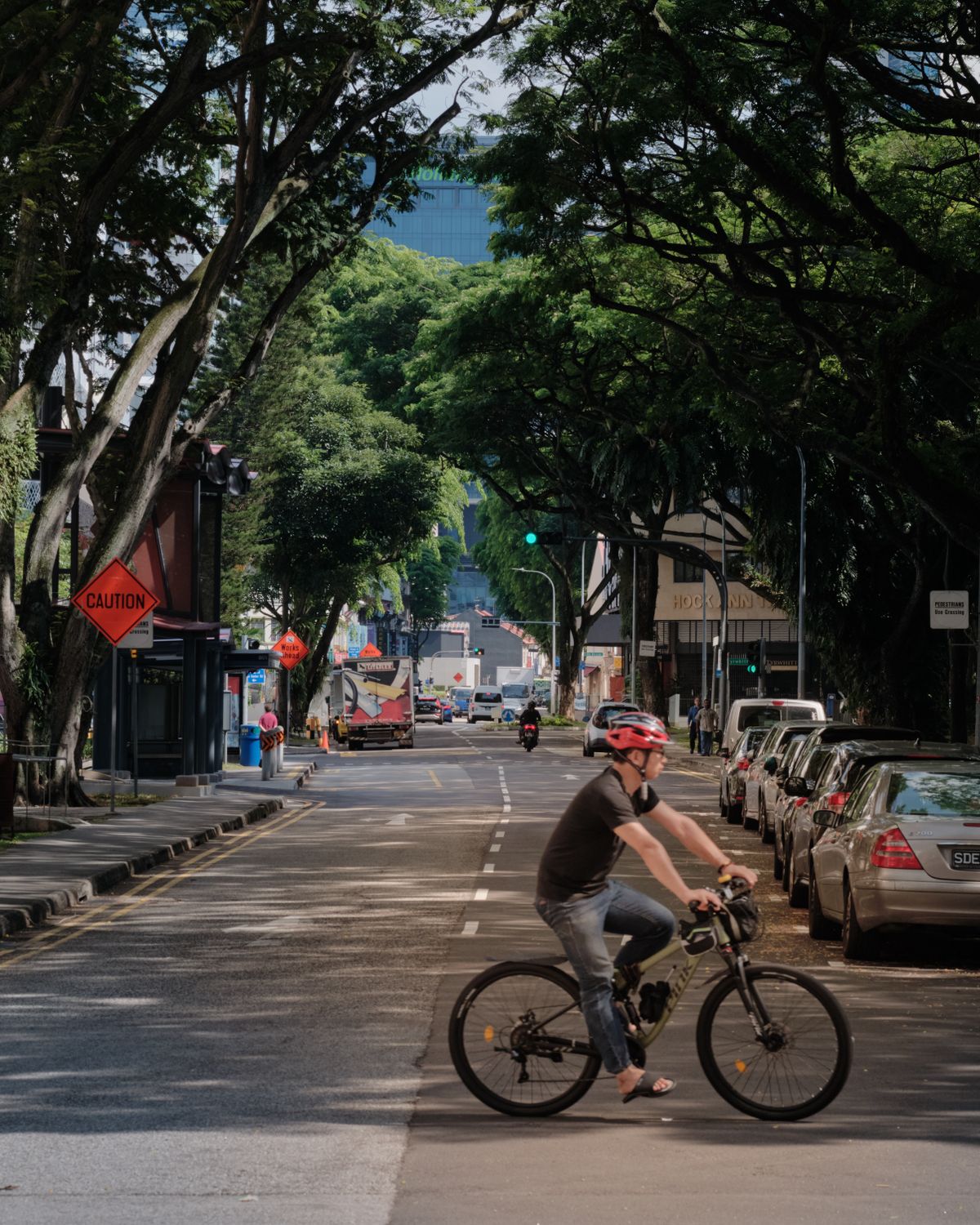
Look for suitable bike lanes.
Protected lanes and designated cycling routes may offer a more comfortable option than heavily trafficked roads. Assess their actual condition and follow local rules.
Review difficult crossings.
Large junctions, complex turns, and busy driveways may require extra attention. Consider alternatives when an intersection exceeds your comfort level.
Build in a realistic buffer.
Allow time for traffic signals, unexpected delays, changing weather, bicycle parking, and a comfortable arrival.
Keep a backup route.
Construction, road closures, and severe weather can change a commute. Knowing another route may help you respond more calmly.
Make mornings simpler.
The easiest commute begins before you leave home. A short routine can help reduce forgotten essentials and unexpected mechanical problems.
Check the forecast.
Review expected temperature, precipitation, wind, and daylight. Choose suitable clothing and equipment.
Inspect your bicycle.
Check tire condition and inflation, brake function, wheel security, steering, and essential accessories.
Prepare your belongings.
Pack only what you need. Secure loose objects and ensure bags do not interfere with moving components.
Check your visibility.
Confirm that lights, reflectors, and other necessary equipment are functioning properly.
Leave without rushing.
Allow enough time for a comfortable pace, traffic signals, and safe decisions throughout the journey.
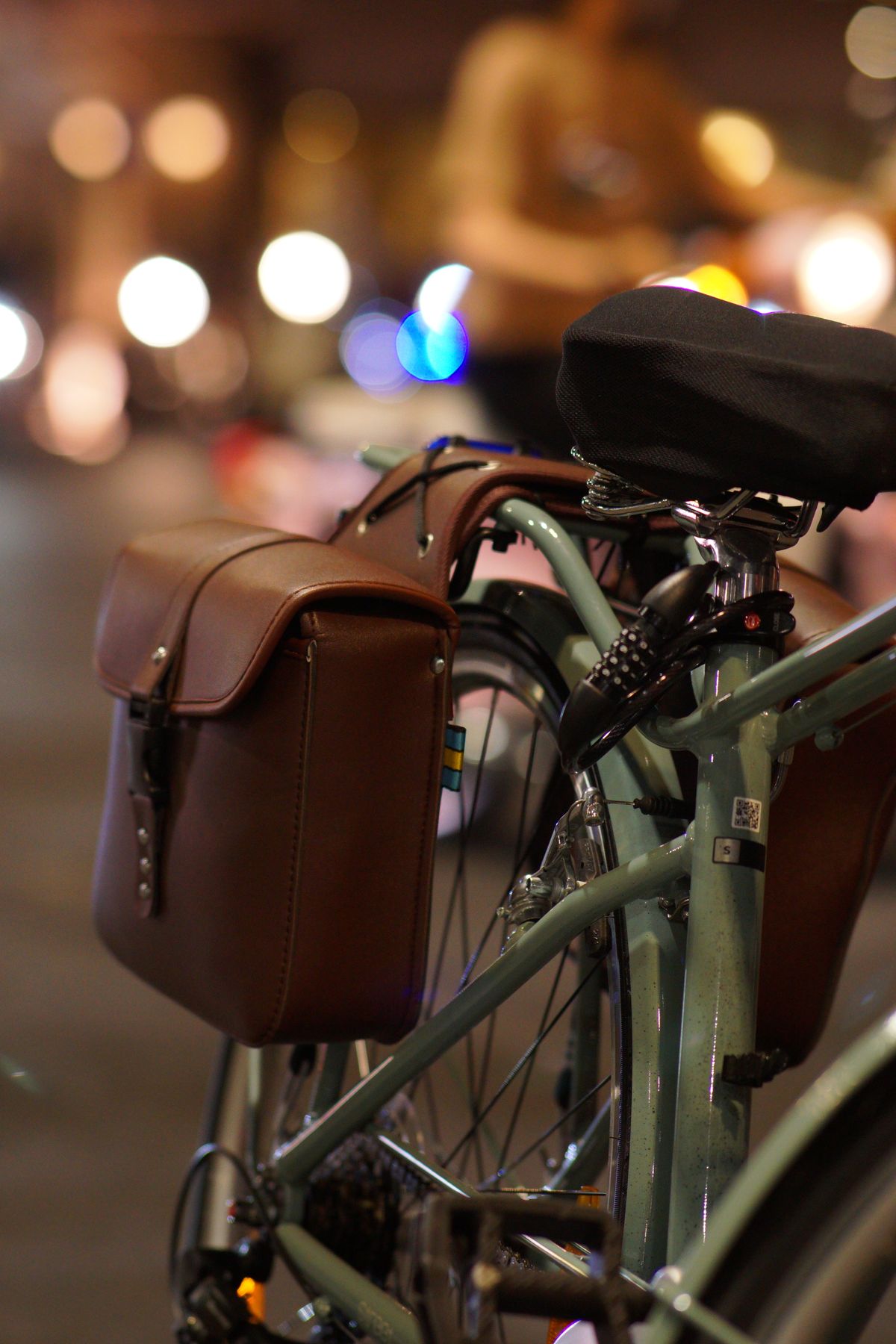
Carry less. Move better.
The right carrying system can make daily travel more convenient. The best choice depends on what you bring, how far you ride, and your bicycle's design.
A compact handlebar or frame bag may suit smaller essentials, while a backpack or messenger bag offers flexibility away from the bicycle.
Rear rack bags, panniers, and baskets can help carry larger items without requiring everything to be worn on your back.
Keep loads within the bicycle, rack, and accessory manufacturers' weight limits. Distribute belongings thoughtfully and secure all attachments.
Understand the moving city.
Shared city streets require attention and predictable behavior. Vehicles, pedestrians, parked cars, turning traffic, and road conditions can change the situation quickly.
Follow applicable road rules.
Obey traffic signals, signs, lane directions, and right-of-way requirements.
Make your intentions clear.
Signal appropriately when safe, check surroundings, and avoid sudden movements.
Watch for opening doors.
Maintain a suitable distance from parked vehicles and anticipate door movement.
Approach intersections carefully.
Watch for turning vehicles, crossing pedestrians, driveways, and obstructed views.
Keep your attention on riding.
Stop somewhere safe before interacting with navigation, messages, or other devices.
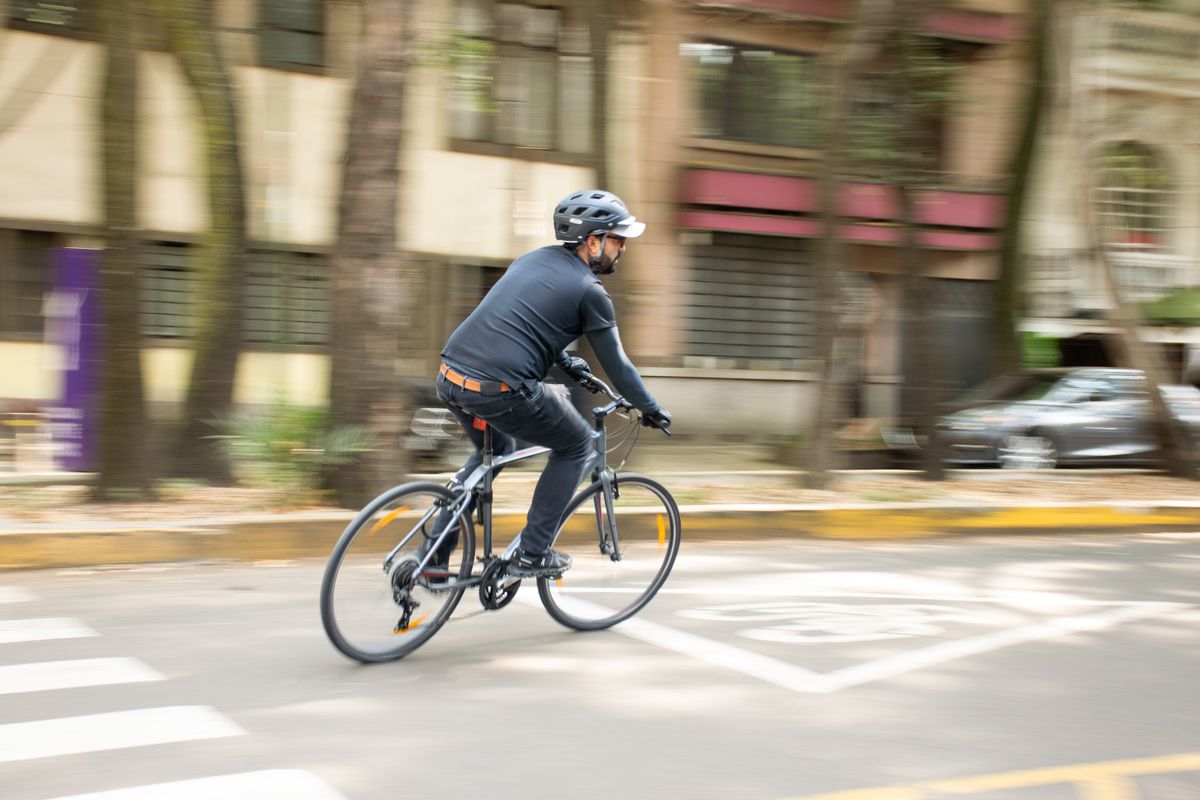
Prepare for the evening.
A journey that begins in daylight may end after sunset. Reduced light can affect what you see and how easily other road users notice you.
Use appropriate front and rear bicycle lights in darkness and whenever required by local law. Reflectors and reflective materials can offer additional visibility.
Confirm that lights are charged or have sufficient battery power, correctly mounted, and not covered by bags or clothing.
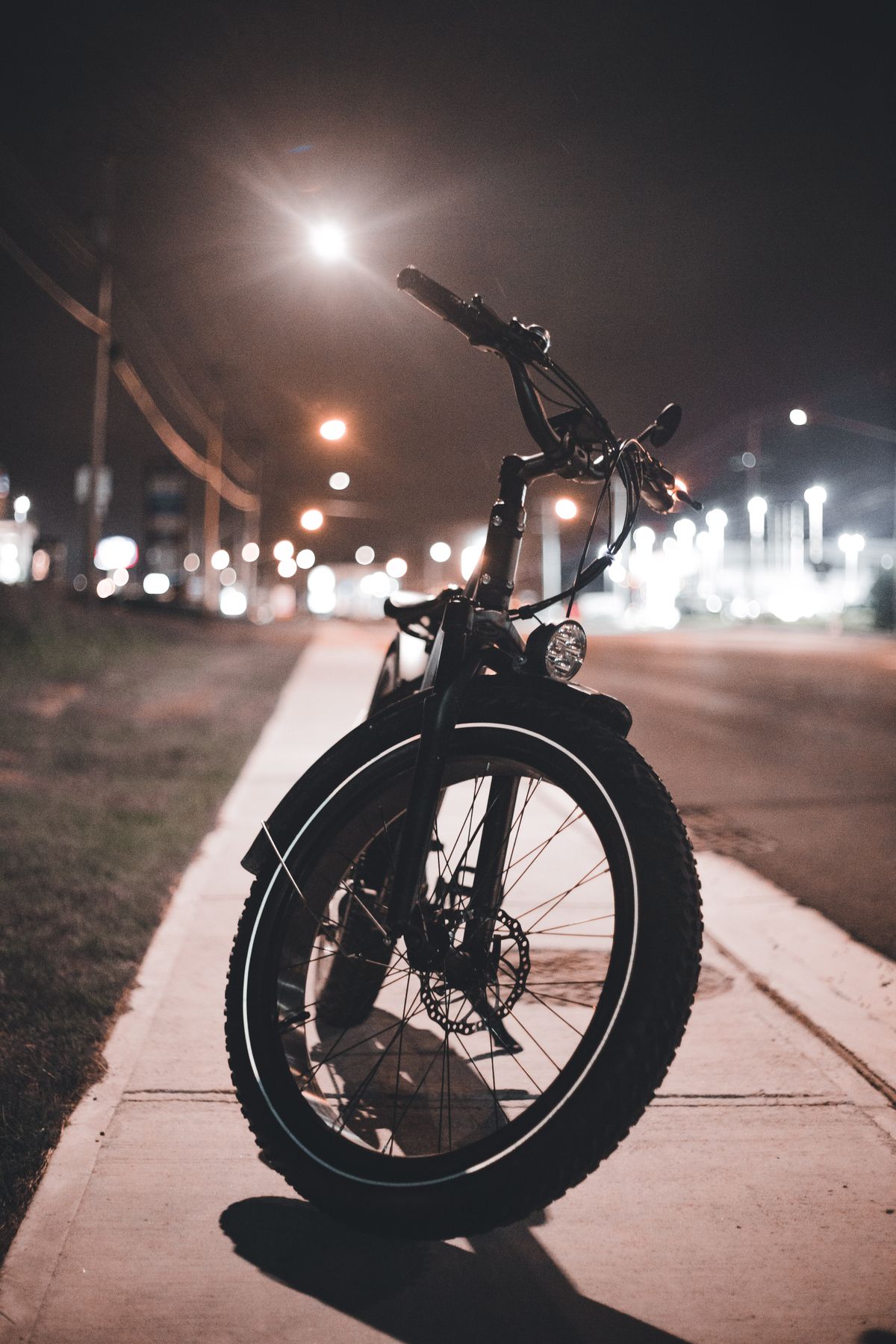
See your route.
A suitable white front light helps illuminate the road and make your presence more apparent.
Be visible behind.
An appropriate red rear light helps improve visibility to people approaching from behind.
Support visibility.
Reflectors and reflective materials may improve how noticeable you are when illuminated.
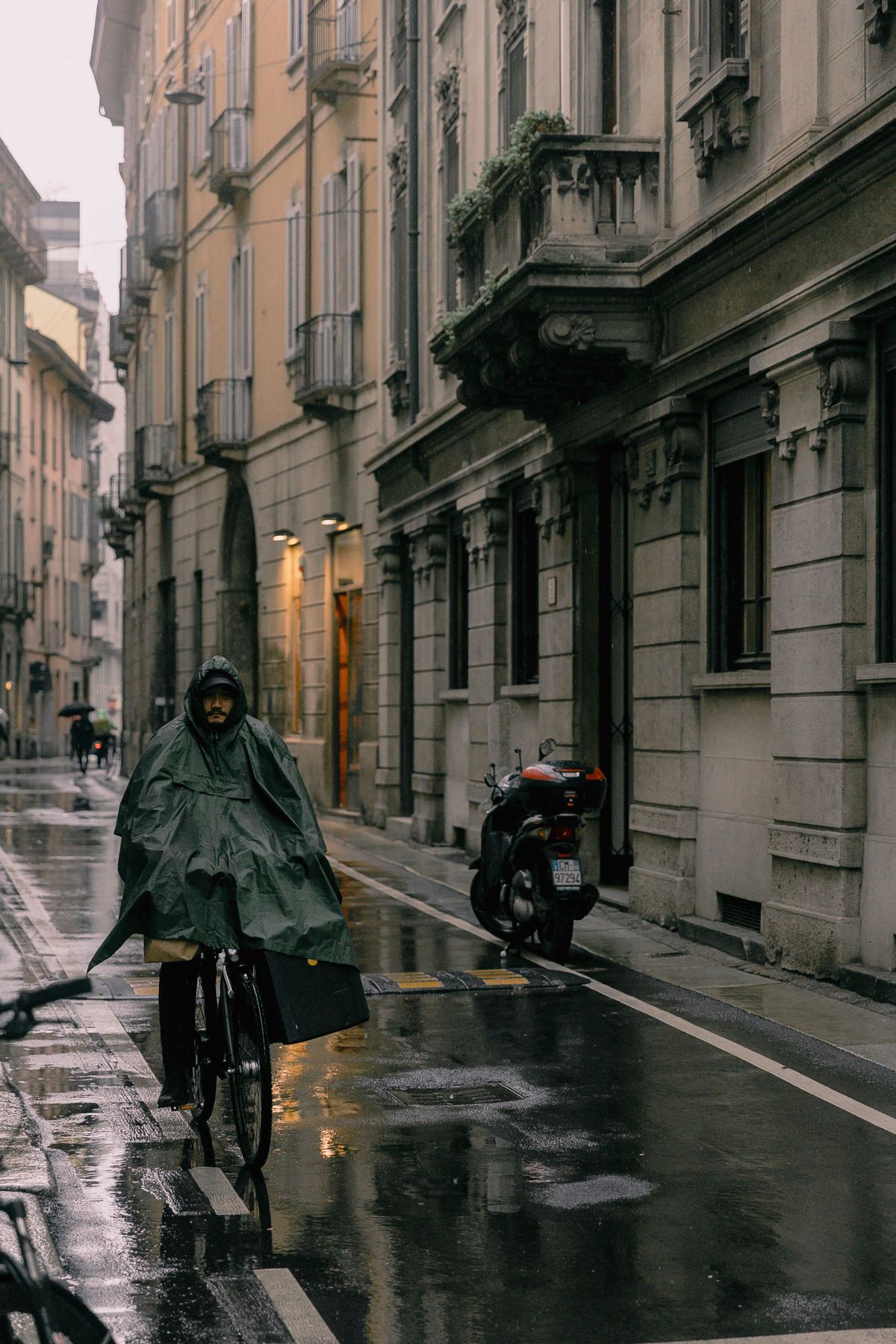
Dress for the day ahead.
Changing weather is part of everyday city movement. The goal is to prepare for the conditions you may encounter, not simply the weather when you leave home.
A suitable cycling jacket and weather-resistant carrying system can help protect clothing and belongings during wet conditions.
Fenders may help reduce water and road spray, while appropriate gloves and layered clothing can improve comfort in cooler weather.
Wet surfaces require additional attention. Reduce speed, allow more braking distance, and avoid abrupt movements on slippery pavement.
Rain and wet surfaces
Allow additional stopping distance and be cautious on painted road markings, metal covers, and leaves.
Cool temperatures
Choose practical layers and clothing that allows comfortable movement without interfering with the bicycle.
Strong winds
Be prepared for sudden changes in handling, especially near exposed roads and larger vehicles.
Warm conditions
Consider hydration, appropriate clothing, and whether heat makes the planned journey unsuitable.
Choose equipment with purpose.
The most useful commuting accessories solve real needs. Consider what makes your regular journey easier, more comfortable, and better organized.
Bicycle helmet
Choose a properly fitted helmet that meets applicable safety standards and follow manufacturer instructions.
Lights & reflectors
Appropriate lighting and reflective accessories support visibility in changing conditions.
Panniers & rack bags
Securely mounted storage can help carry clothing, daily essentials, and other belongings.
Handlebar & frame bags
Compact bicycle bags offer practical storage for small, frequently needed items.
Rain gear & fenders
Suitable outerwear and compatible fenders can make wet-weather journeys more manageable.
Bicycle lock
A suitable lock and thoughtful parking routine help reduce theft risk.
Pump & repair kit
Compatible tools and tire repair supplies can help address certain roadside mechanical issues.
Bell & bicycle mirror
A suitable bell can signal your presence. A mirror can supplement, but never replace, direct observation.
Phone mount & bottle cage
Secure mounts and compatible bottle cages help organize essential items without interfering with controls.
Make parking part of the plan.
A reliable commute does not end when the ride is over. Finding a suitable place to leave your bicycle is an important part of route planning.
Choose an authorized parking location with an appropriate fixed structure. Use a suitable bicycle lock and consider additional protection for removable components.
Choose a solid anchor.
Use a properly installed, sturdy bicycle rack or other permitted fixture.
Secure the bicycle frame.
Lock the frame to an appropriate fixed object. Consider protecting wheels as well.
Take valuables with you.
Remove easily detachable lights, electronics, and personal items when practical.
Keep bicycle details recorded.
Retain your serial number, ownership details, and relevant purchase records.
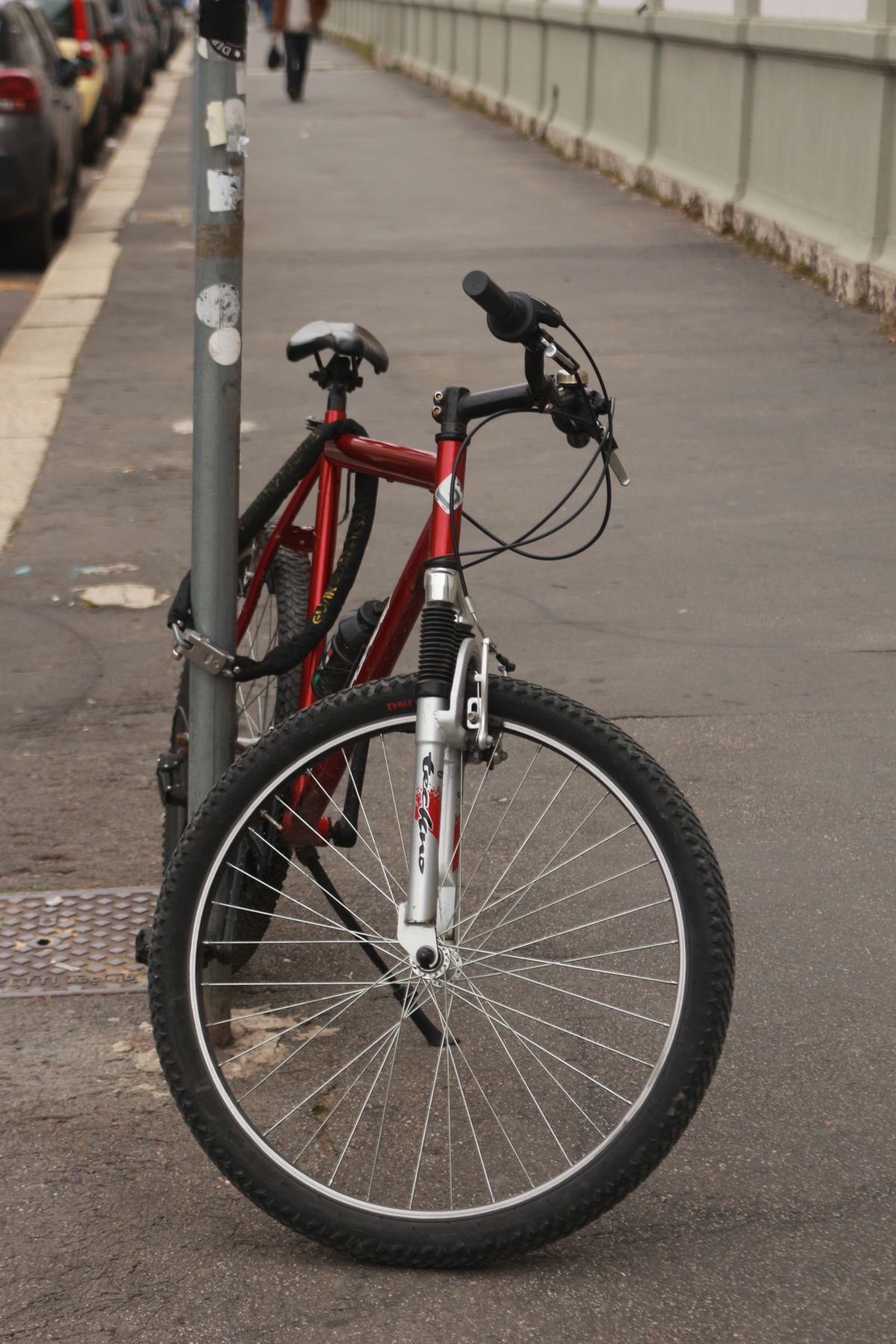
Arrive feeling prepared.
The final few minutes of your commute can make the transition into the rest of your day easier. A consistent arrival routine also helps prepare your bicycle for the next journey.
Secure your bicycle.
Choose a suitable parking location, lock your bicycle, and check that your belongings and removable accessories are accounted for.
Make the transition easy.
Consider keeping a spare layer, personal essentials, or suitable shoes at your destination when appropriate.
Prepare for the return.
Review changing weather, ensure your lights have enough power, and note any mechanical concerns before your next ride.
Make every ride your own.
Begin with manageable journeys
If you are new to riding regularly in the city, consider trying a shorter, familiar route before attempting a more complex daily commute.
Learn your busiest intersections
Familiarity can help you anticipate traffic patterns, crossings, visibility limitations, and locations where you may prefer another route.
Adjust your equipment gradually
Begin with the essentials, then add suitable accessories based on needs you actually experience during your rides.
Protect your attention
Avoid rushing to make up lost time. Choose a pace that allows you to observe, anticipate, and respond to the environment.
Allow room for flexibility
Some days call for another route or another mode of transportation. Weather, mechanical condition, health, and other circumstances can influence a sensible decision.
The everyday ride checklist.
A thoughtful commute is built from small decisions. Review the essentials before heading into your city.
Taking a moment to prepare can help you recognize concerns early and begin your journey with greater confidence.
My route is suitable for the conditions and my experience.
My tires, brakes, steering, and wheels have been checked.
My helmet and other necessary protective equipment are ready.
My lights and reflectors meet the needs of the journey.
My bags and personal belongings are securely attached.
I have allowed enough time to ride without rushing.
I have a practical plan for parking and securing my bicycle.
Here for your journey.
From preparing for an early morning ride to organizing your everyday essentials, thoughtful equipment can make the experience more practical.
Explore protective accessories, visibility solutions, secure storage, weather preparation, and useful maintenance tools suited to different everyday riding needs.
Our customer support team is available 24 hours a day, 7 days a week for questions about Cycnavo products, orders, and store services.
Visit Our Contact PageCycnavo Customer Support
support@cycnavo.lol
451-65-1058
6901 Guinevere St
Corpus Christi, TX 78414
United States
24 hours a day, 7 days a week
Explore the city. Enjoy the journey.
Every city has its own rhythm. With thoughtful preparation, suitable equipment, and attentive riding habits, your commute can become a more comfortable and rewarding part of everyday life.