Bike Safety Essentials
Every confident journey begins before the first pedal stroke. Discover thoughtful preparation, protective equipment, and practical habits for riding with greater awareness.
From helmet fit and visibility to road positioning, maintenance, changing weather, and emergency readiness, explore the principles that belong in every rider's routine.
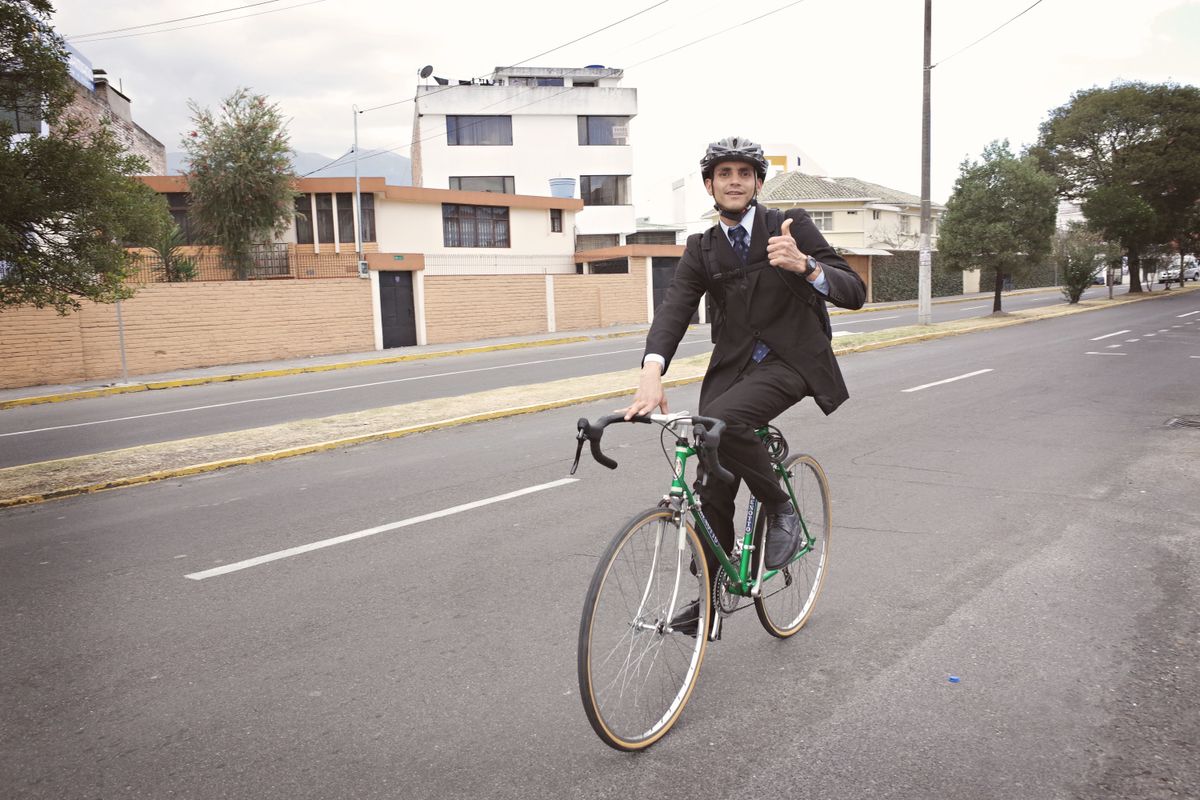
Wear it well.
Choose protective equipment suitable for your ride and wear it correctly.
Stay visible.
Prepare for low light, changing weather, and busy shared roads.
Check your bike.
Confirm that essential components are secure and functioning properly.
Read the road.
Remain attentive, ride predictably, and respect other users.
Awareness comes first.
Riding a bicycle offers freedom, movement, and a closer connection to your surroundings. It also requires responsibility. Changing traffic, uneven surfaces, weather, pedestrians, and other road users can create unexpected situations.
A thoughtful safety routine brings together three essential ideas: prepare your equipment, understand your environment, and make predictable decisions while riding.
There is no single accessory or technique that removes every risk. The most useful approach combines appropriate equipment, sound judgment, familiarity with local rules, and consistent attention to bicycle condition.
Find your focus.
Explore the essential topics that support safer everyday riding, from the equipment you wear to the choices you make on the road.
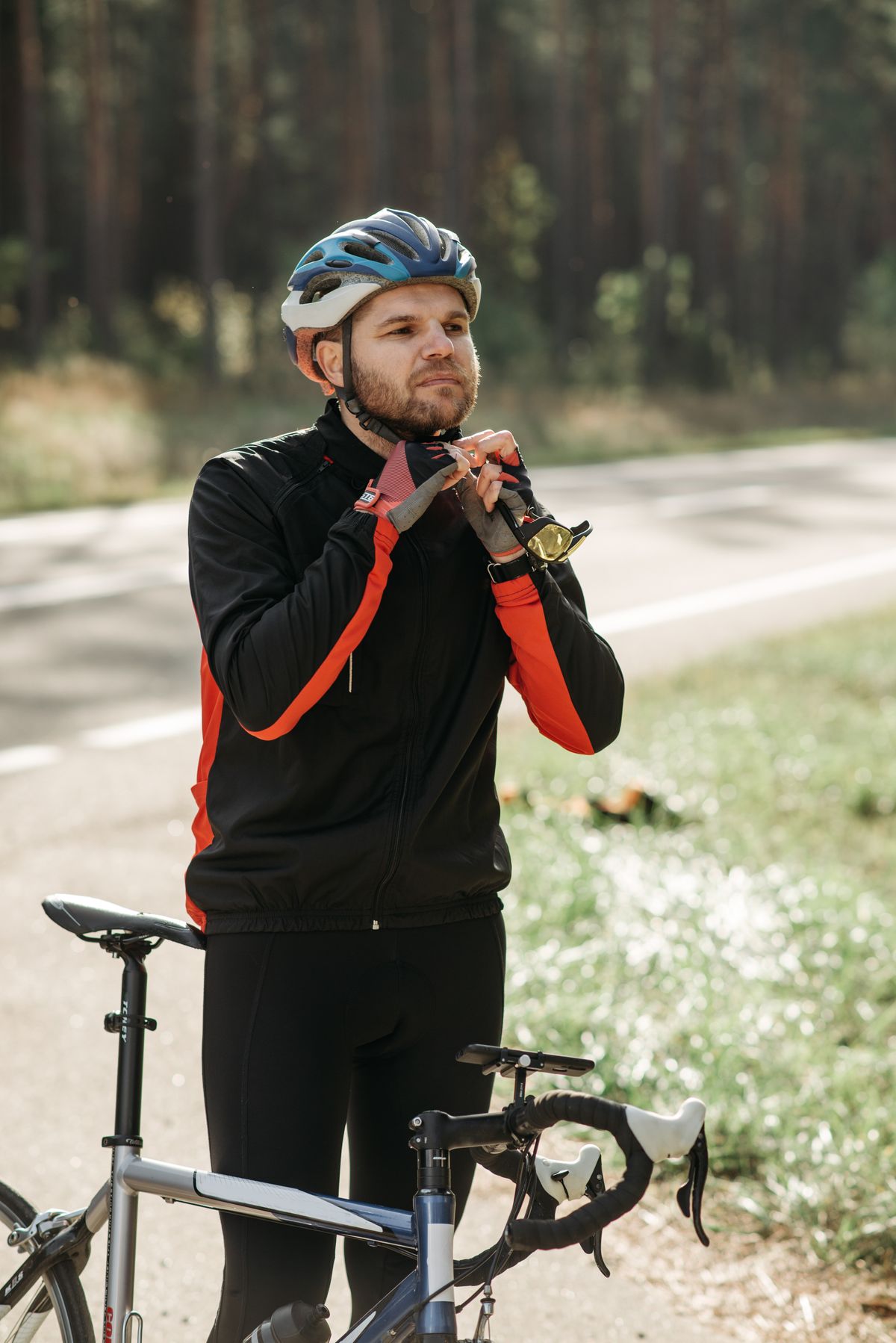
Fit comes first.
A bicycle helmet is an important piece of protective equipment. Choose one designed for cycling that meets the applicable safety standard, including the U.S. CPSC bicycle helmet standard where required.
A suitable helmet should feel secure, sit correctly on the head, and remain in position during normal movement.
Position
Wear the helmet level, low enough to protect the forehead without obstructing vision.
Straps
Adjust side straps and the chin buckle according to the manufacturer's fitting instructions.
Stability
The helmet should stay secure when you move your head gently.
Condition
Inspect the shell, straps, and retention system. Replace after an impact when directed by the manufacturer.
Make yourself seen.
Visibility matters whenever light is limited or road conditions make it harder for others to recognize your position and movement.
Use an appropriate white front light and red rear light in darkness and other conditions where required. Reflectors and reflective accessories can provide additional visibility.
Position lights so they are unobstructed by bags, clothing, or other accessories. Check battery condition and secure attachment before riding.
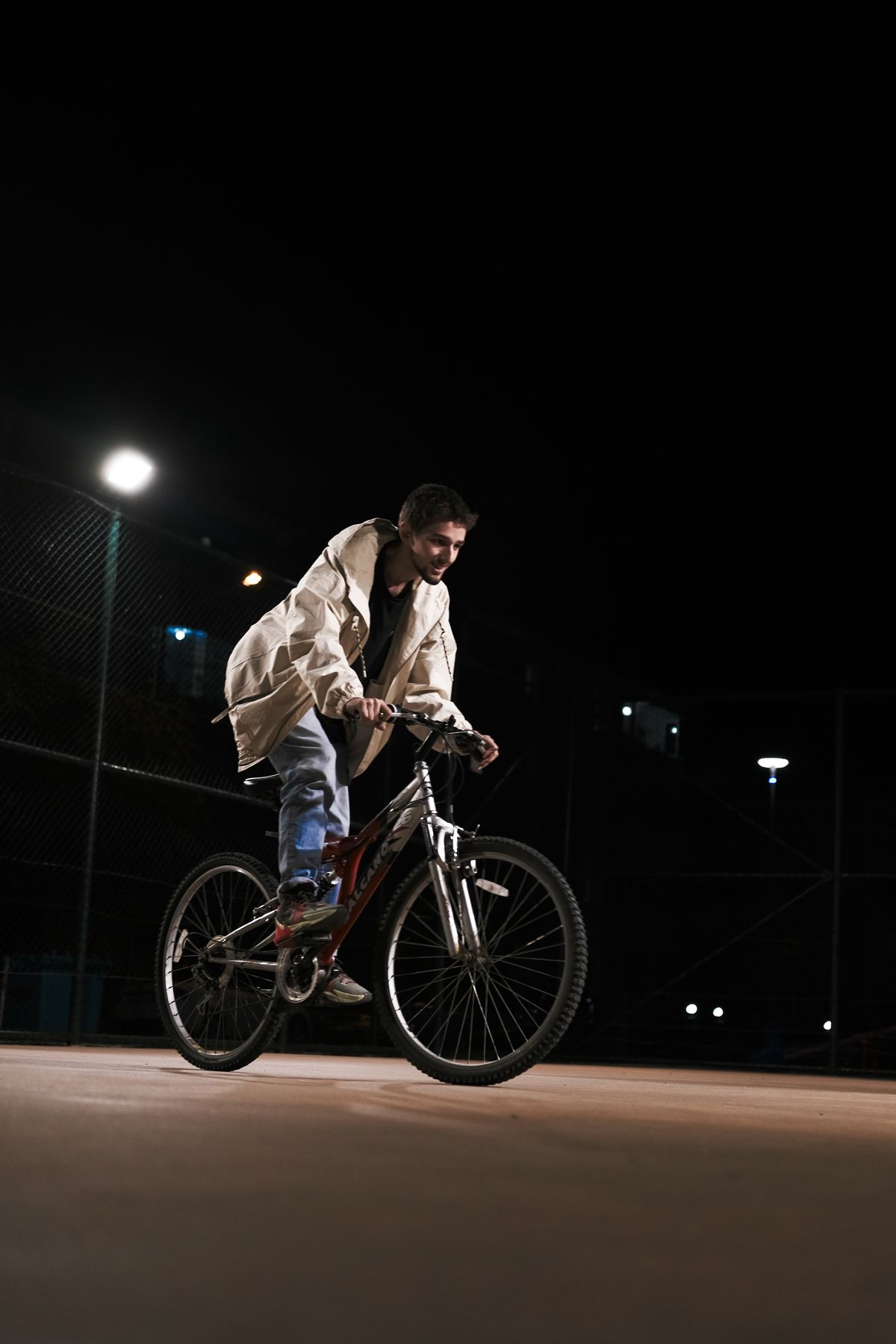
See what is ahead.
A suitable white front light helps illuminate the route and signal your presence.
Be visible behind.
An appropriate red rear light improves visibility to road users approaching from behind.
Add reflective details.
Reflectors and reflective materials may improve conspicuity when illuminated by another light source.
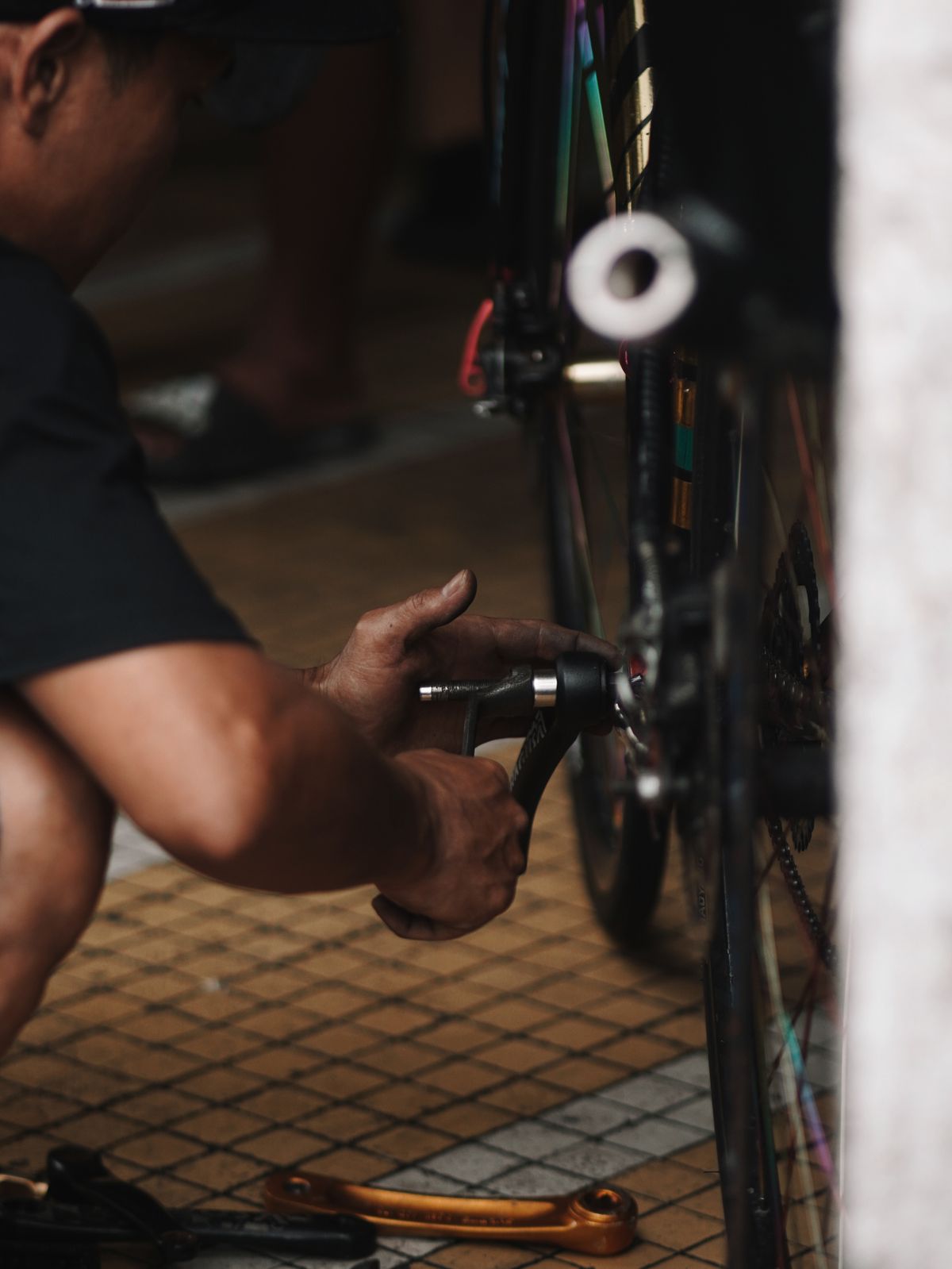
Check before you go.
A short inspection before every ride can help identify obvious mechanical concerns while you still have time to address them safely.
The ABC Quick Check is a useful framework for reviewing air, brakes, chain and cranks, wheel retention, and overall bicycle condition.
Make the routine familiar. The more regularly you inspect your bicycle, the easier it may become to notice changes.
Check tires.
Verify appropriate inflation, inspect the tire surface, and look for visible cuts, bulges, or damage.
Test stopping power.
Make sure both brakes engage predictably and do not show obvious signs of malfunction.
Review the drivetrain.
Inspect for unusual chain condition, damaged components, or unexpected mechanical movement.
Secure the wheels.
Confirm the wheel-retention system is correctly secured according to the specific manufacturer's instructions.
Check steering.
Look for loose handlebars, abnormal steering movement, and damaged controls.
Inspect attachments.
Ensure lights, bags, fenders, racks, and other mounted equipment are secure.
Ride with awareness.
City streets bring together cyclists, pedestrians, drivers, transit vehicles, and delivery activity. Predictable movement and careful observation are essential in shared spaces.
Follow traffic controls.
Obey applicable traffic signals, signs, lane rules, and right-of-way requirements.
Communicate intentions.
Signal turns and lane changes when safe and avoid unexpected movements.
Watch turning vehicles.
Be especially attentive near intersections, driveways, and junctions.
Allow suitable space.
Maintain a buffer from parked cars, opening doors, pedestrians, and obstacles.
Limit distractions.
Stop somewhere safe before using a phone, changing navigation, or adjusting gear.
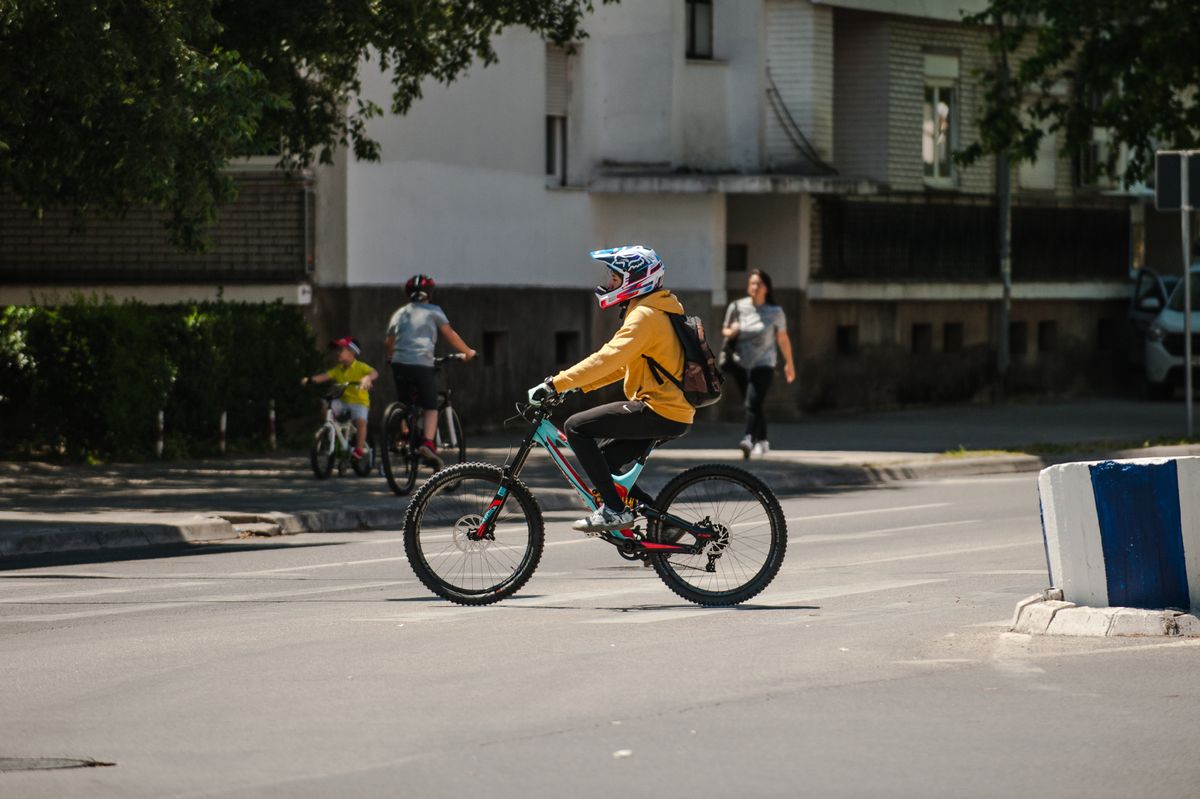
Equip yourself thoughtfully.
Good equipment supports preparation, but it works best alongside safe riding habits and appropriate maintenance.
Bicycle helmet
Choose a helmet that meets applicable safety requirements. Correct fit and consistent use are essential.
Bike lights
Suitable front and rear lighting helps improve visibility in darkness and other low-light conditions.
Reflective accessories
Reflective elements on clothing and equipment may help other road users notice your position and movement.
Cycling gloves
Well-fitting gloves may support hand comfort, improve grip, and provide limited abrasion protection.
Bell & mirror
A bell can help announce your presence. A correctly positioned mirror can add rearward awareness without replacing direct observation.
Repair essentials
Compatible inflation tools, tire repair supplies, and a suitable multitool can help with common roadside mechanical issues.
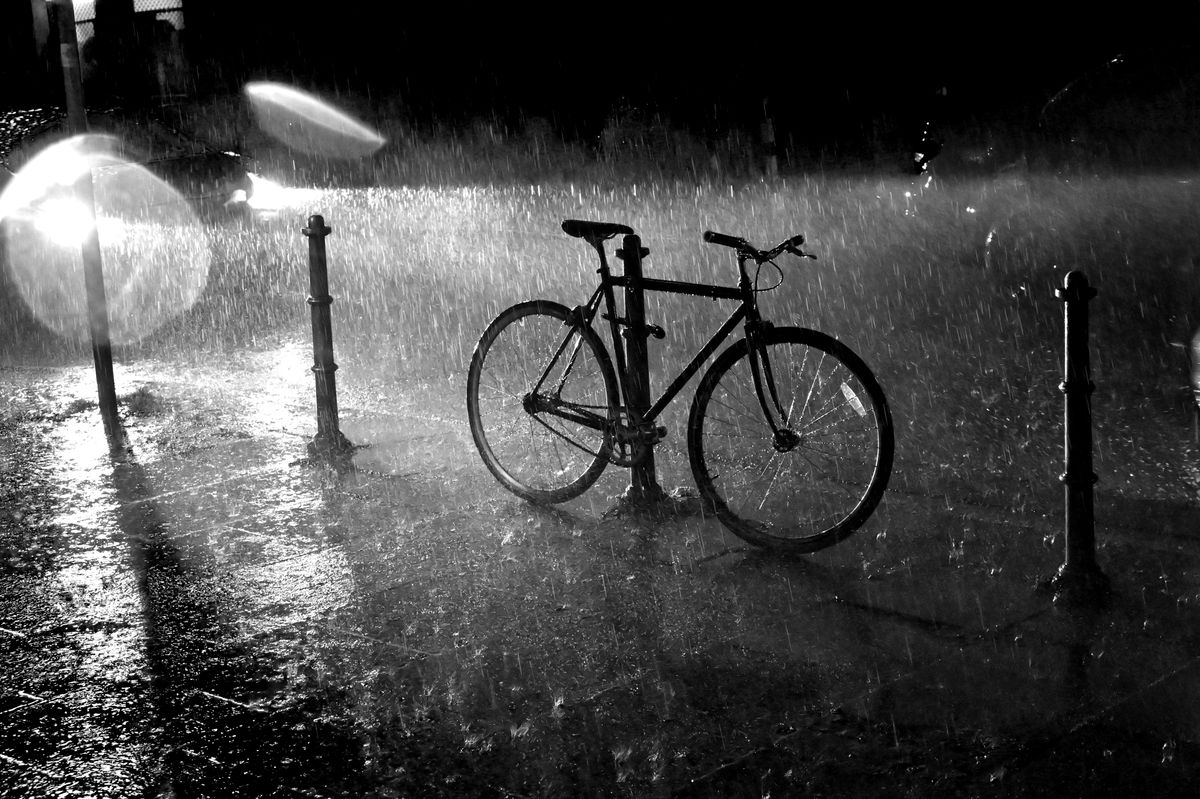
Adapt to the conditions.
Rain, strong winds, darkness, uneven pavement, and extreme temperatures can change the way a bicycle handles and how quickly hazards become visible.
Reduce speed when traction or visibility is limited. Allow additional distance for braking and avoid abrupt changes in direction on slippery surfaces.
Choose appropriate clothing and ensure your equipment remains functional in the expected conditions.
Wet roads
Expect reduced traction on painted markings, metal covers, leaves, and other smooth surfaces when wet.
Low visibility
Check lighting, reflectors, and sightlines. Ride at a speed appropriate for what you can see.
Strong winds
Be prepared for changes in balance and steering, particularly near open areas and large vehicles.
Extreme temperatures
Dress appropriately, consider hydration, and adjust or cancel a ride when conditions create significant risk.
Carry with balance.
Secure your belongings
Bags, panniers, baskets, and other accessories should be properly attached using compatible mounting systems. Check their condition and attachment before riding.
Respect carrying limits
Follow manufacturer load limits for the bicycle, racks, bags, and mounting equipment. Heavy or unevenly distributed cargo can change handling and stopping performance.
Keep moving parts clear
Ensure straps, clothing, cables, and loose items cannot contact wheels, the chain, steering mechanisms, or brakes.
Position electronic accessories
Secure phone mounts and navigation devices so they do not obstruct visibility or interfere with controls. Stop safely before interacting with these devices.
Check the setup after loading
Before joining traffic, confirm the bicycle steers and brakes predictably with its intended load.
Leave it more secure.
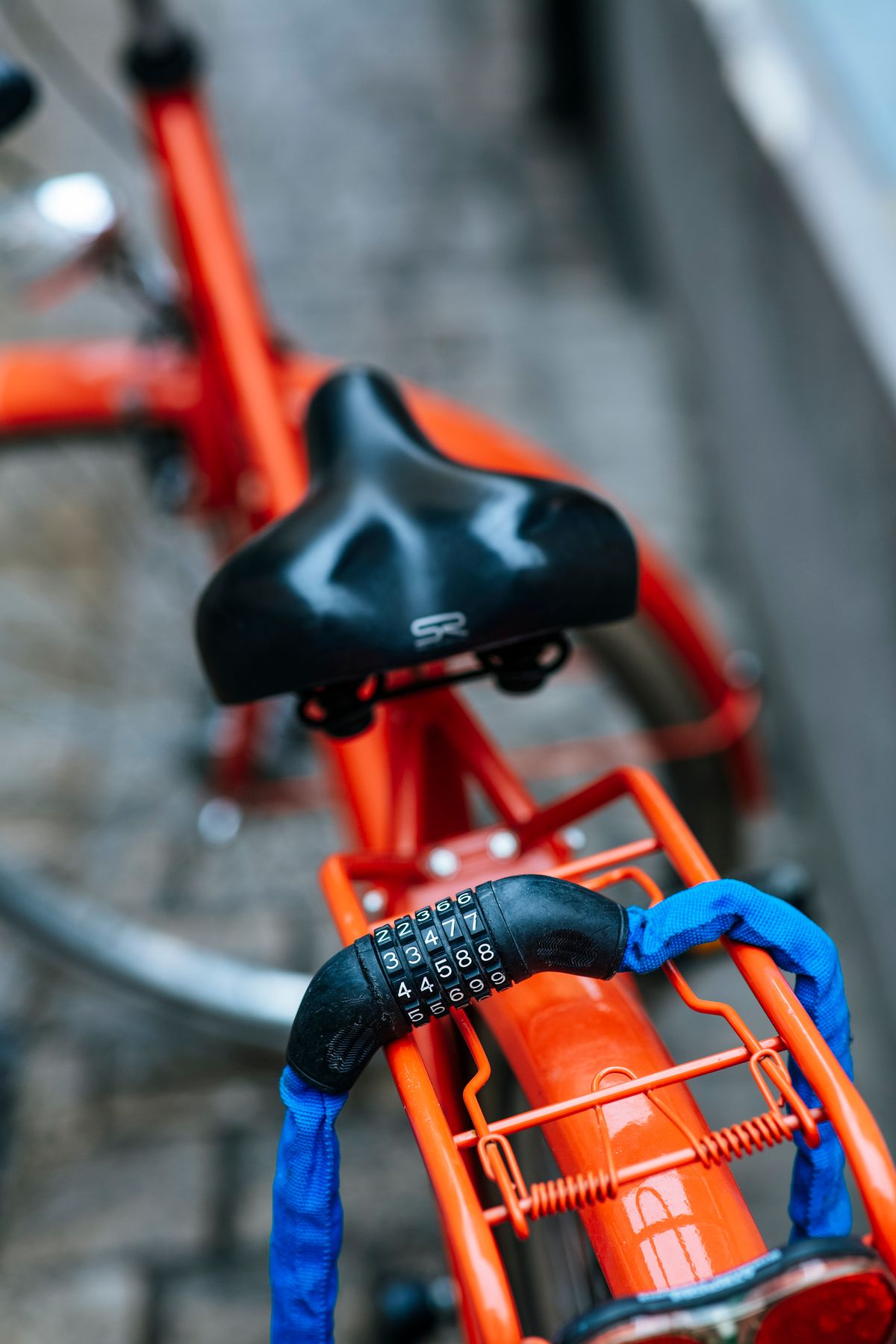
A secure parking routine is an important part of everyday bicycle ownership. Choose an authorized location with a sturdy, properly installed fixture.
Use a quality lock suitable for your bicycle and parking environment. Secure the frame to an appropriate fixed object and consider additional protection for wheels and removable components.
When practical, take lights, navigation devices, and other easily removable valuables with you.
Keep a record of your bicycle's serial number and proof of purchase for identification.
Know when to stop.
Preparation includes knowing what to do when a journey does not go as planned. Mechanical problems, injury, and unsafe conditions sometimes require stopping rather than continuing the ride.
Stop for unsafe equipment.
Do not continue riding with malfunctioning brakes, unsecured wheels, loose steering, structural damage, or other serious mechanical concerns. Seek appropriate repair assistance.
Take symptoms seriously.
Following a collision or fall, move away from immediate danger if it is safe to do so. Seek appropriate medical help for injuries or concerning symptoms. Suspected head, neck, or spinal injuries require special caution.
Choose a safer alternative.
If traffic, weather, visibility, or road conditions become too hazardous, stop somewhere safe and reconsider the route. Contact emergency services when urgent assistance is needed.
Ready when you are.
Safety is built through ordinary habits repeated consistently. Before each ride, take a few moments to consider the bicycle, your equipment, your route, and the conditions.
A small amount of preparation can help you recognize concerns while you still have time to respond.
My helmet fits correctly and is in good condition.
My tires, brakes, steering, and wheels have been checked.
My required lights and reflectors are ready.
My bags, cargo, and mounted accessories are secure.
My route suits my experience and the current conditions.
I am prepared to ride attentively and follow local road rules.
Here for your journey.
Preparation is more enjoyable when the right essentials are close at hand. From protective accessories and visibility solutions to practical storage and repair supplies, thoughtful choices help create a more considered riding experience.
Our customer support team is available 24 hours a day, 7 days a week for questions about Cycnavo products, orders, and store services.
For specialized safety assessments, bicycle repairs, or installation questions, consult a qualified bicycle professional.
Visit Our Contact PageCycnavo Customer Support
support@cycnavo.lol
451-65-1058
6901 Guinevere St
Corpus Christi, TX 78414
United States
24 hours a day, 7 days a week
Every journey deserves care.
The best riding habits are built through awareness, preparation, and consistency. Choose suitable protection, maintain your equipment, respect shared spaces, and approach the road with confidence.