Bike Maintenance Tips
Better rides begin with better care. Discover the essential checks, practical techniques, and thoughtful maintenance habits that help keep your bicycle ready for the road.
From tire pressure and brake performance to drivetrain care, cleaning, and regular servicing, explore a considered approach to keeping your bicycle in dependable condition.
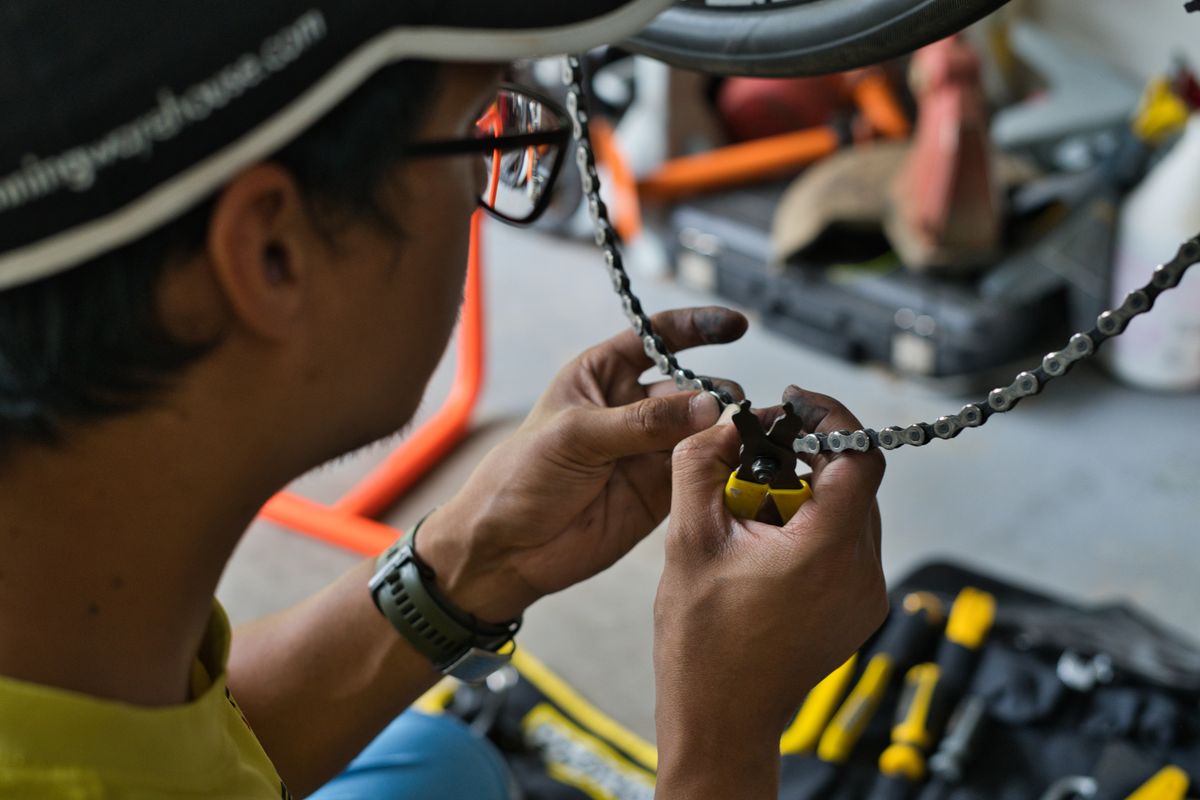
Notice the details.
Recognize wear, unusual movement, and changes in performance.
Care for components.
Remove contamination and maintain suitable cleanliness.
Build consistency.
Make basic checks and appropriate servicing routine.
Know your limits.
Leave unfamiliar safety-critical repairs to qualified professionals.
Care creates confidence.
A bicycle is a collection of moving, load-bearing, and precision-engineered components. Each ride places demands on the tires, brakes, drivetrain, wheels, bearings, and frame. Regular attention helps identify potential problems before they become more serious.
Good maintenance does not mean performing complicated repairs every week. It means developing the habit of listening to your bicycle, inspecting important components, cleaning when necessary, and recognizing changes in performance.
Maintenance needs vary with riding frequency, terrain, weather, component design, and storage conditions. Manufacturer instructions should guide your specific service intervals, procedures, and replacement decisions.
Explore the essentials.
A practical guide to the areas that deserve regular attention, from a quick pre-ride inspection to longer-term component care.
Before the first mile.
A short inspection before riding can help reveal loose parts, tire problems, brake concerns, and other issues while you are still in a safe place to address them.
Use the ABC Quick Check as a starting point: Air, Brakes, Chain and cranks, Quick releases or through-axles, and a general check of the complete bicycle.
Air and tires
Verify appropriate tire inflation and look for obvious damage, debris, or unusual wear.
Brakes
Test front and rear brakes for predictable engagement and adequate stopping force.
Drivetrain
Inspect the chain and cranks for visible damage or unexpected movement.
Wheel security
Ensure wheel-retention hardware is correctly secured according to the manufacturer's instructions.
Controls and attachments
Check steering, lights, racks, bags, and other fitted accessories.
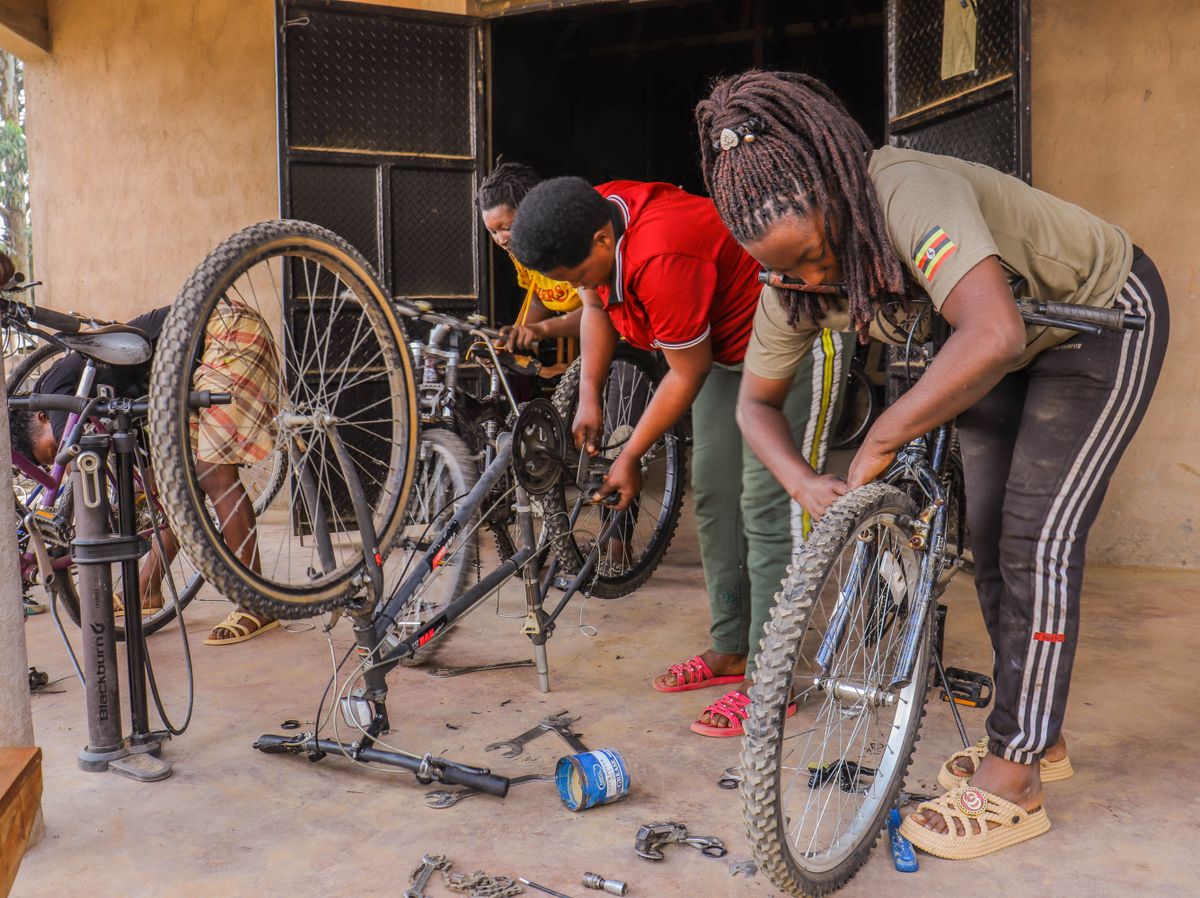
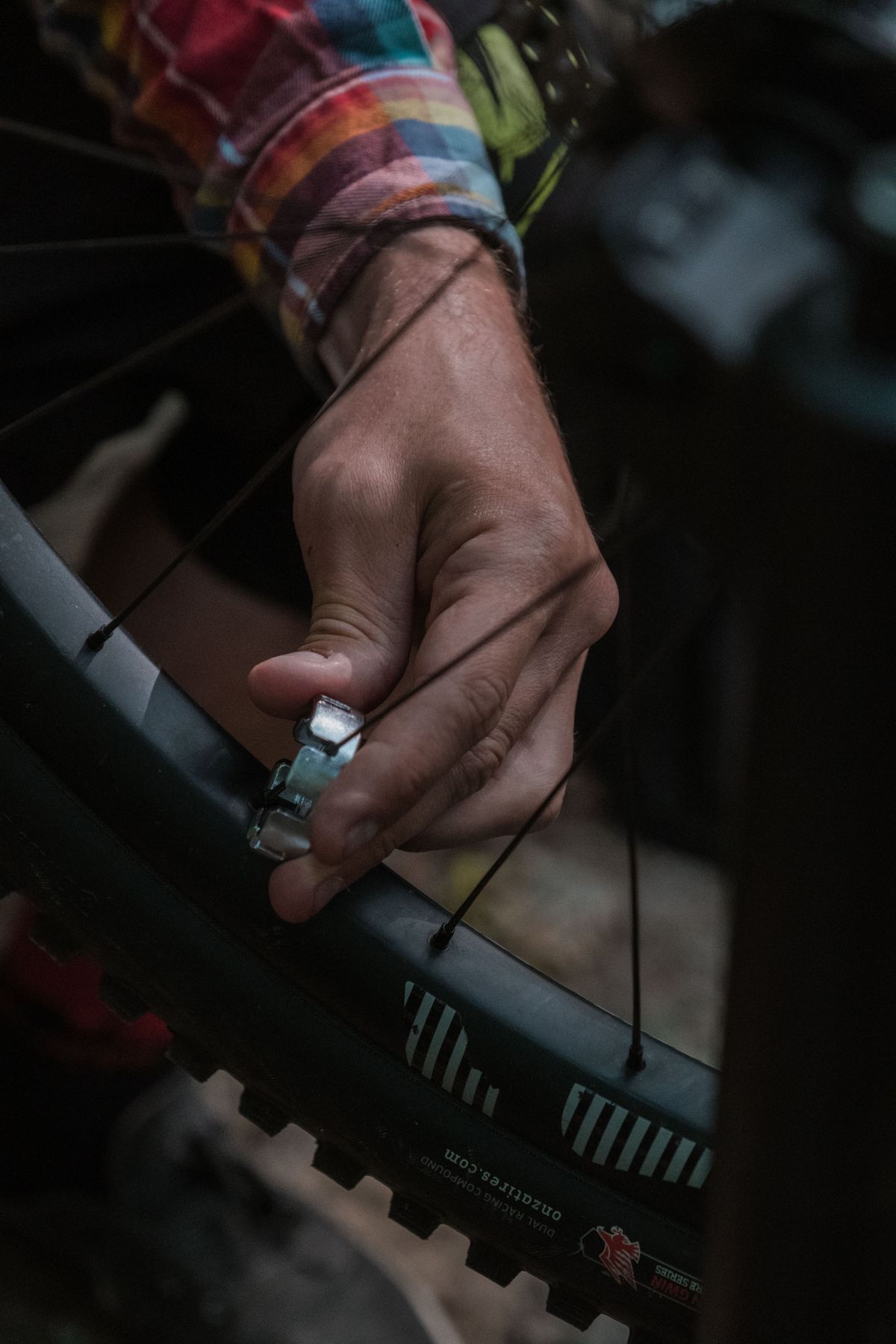
Every ride starts at the tires.
Tire pressure has an important influence on handling, comfort, traction, and rolling behavior. Underinflation can increase the likelihood of certain tire problems, while excessive pressure may reduce comfort and can be unsafe.
Use a suitable pressure gauge and follow the applicable tire and rim manufacturers' pressure limits. The appropriate pressure depends on tire construction, load, terrain, and conditions.
Look for cuts, cracks, bulges, embedded objects, exposed casing, and excessive tread wear. Repeated loss of pressure may indicate a puncture, valve problem, or another issue requiring attention.
Measure regularly.
Use a compatible gauge rather than relying on how a tire feels.
Look for damage.
Check for cracking, bulges, cuts, and exposed material.
Monitor wear.
Inspect for unusual wear patterns and embedded debris.
Check stability.
Investigate unusual wobble, damaged rims, or loose components.
Clean with intention.
Regular cleaning does more than improve appearance. It helps prevent heavy dirt accumulation and makes it easier to inspect components for wear or damage.
Dirt, mud, moisture, and road residue can collect around the frame, wheels, drivetrain, and accessories. Cleaning frequency should reflect your riding environment.
Use suitable bicycle cleaning products and gentle tools. Avoid spraying high-pressure water into bearings, seals, electrical connections, or other sensitive areas.
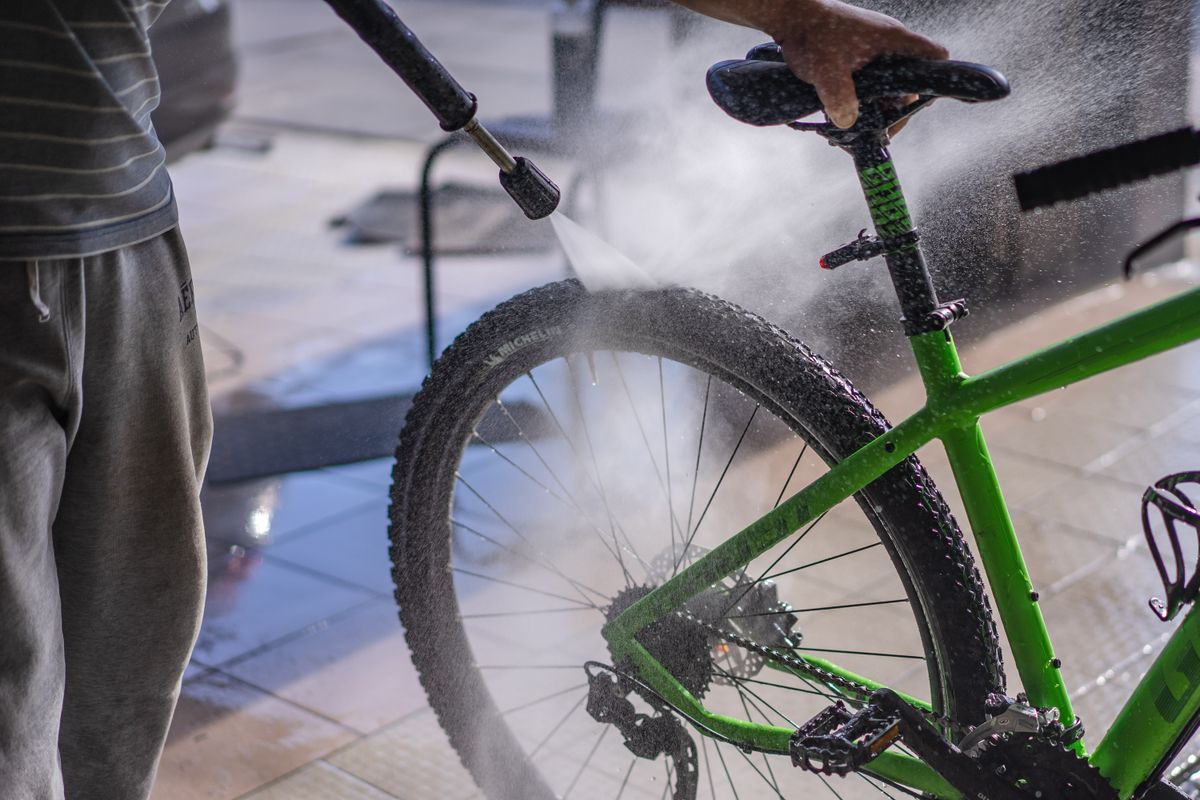
Remove loose dirt.
Gently brush away mud, sand, and accumulated debris before wiping the bicycle.
Use suitable products.
Choose cleaners compatible with frame finishes and relevant components.
Remove moisture.
Wipe surfaces and allow components to dry appropriately after cleaning.
Check the details.
Look for loose fittings, damaged parts, excessive wear, or unusual movement.
Keep the movement smooth.
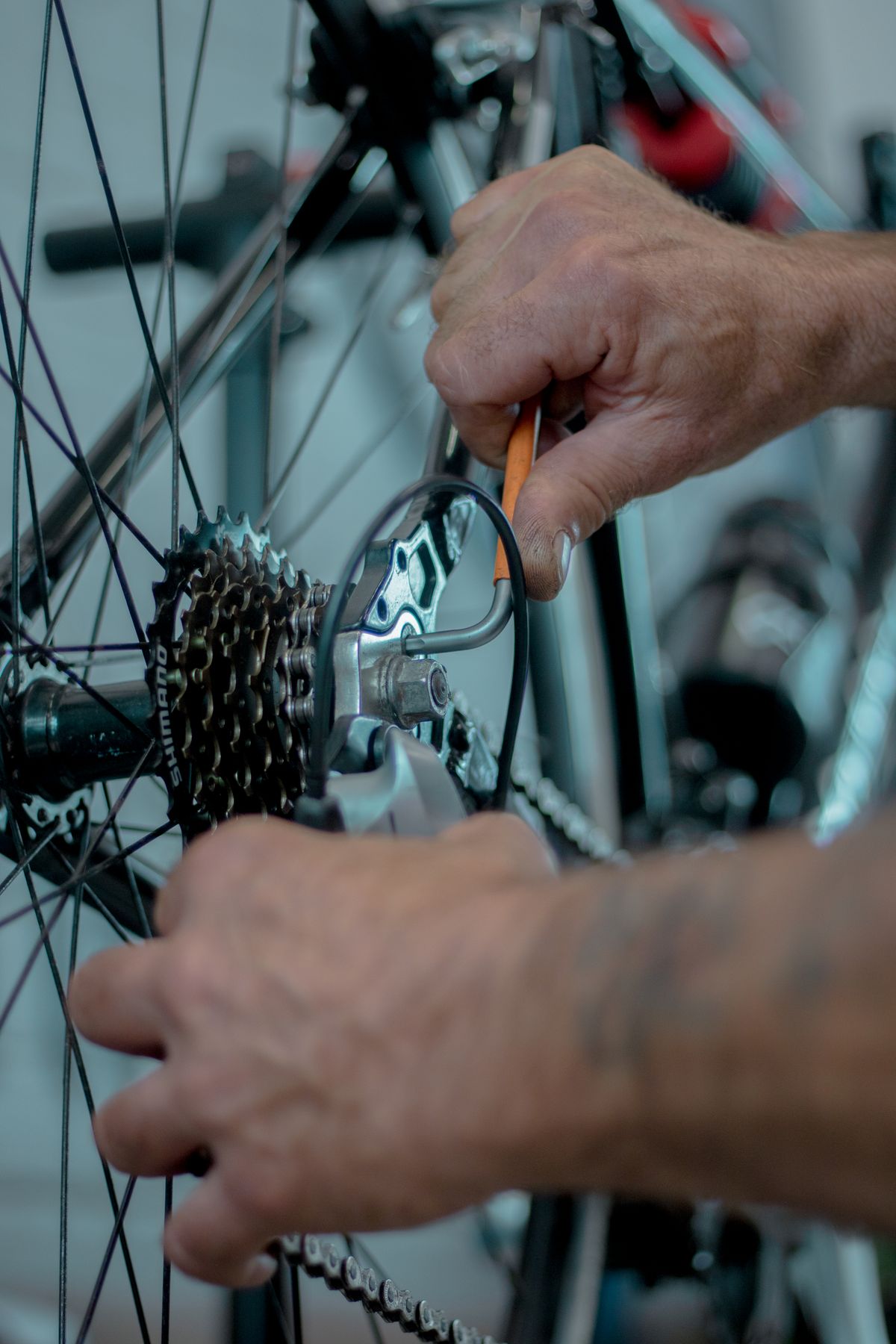
The drivetrain transfers pedaling effort through the chain, chainrings, cassette, and related parts. Dirt, component wear, and improper lubrication can affect performance.
Clean the chain with appropriate products, apply a lubricant suitable for the drivetrain and conditions, and remove excess lubricant according to manufacturer guidance.
Listen for persistent unusual noises, skipping, poor shifting, or other changes. These may indicate adjustment needs, contamination, or worn parts.
Clean the chain.
Remove accumulated grime with appropriate tools and compatible products.
Lubricate correctly.
Apply suitable lubricant as directed, avoiding braking components.
Measure chain wear.
Use a compatible measurement tool and follow manufacturer replacement guidance.
Monitor shifting.
Investigate persistent skipping, unusual noises, or unreliable gear changes.
Confidence in every stop.
Your braking system is one of the most important safety systems on the bicycle. Changes in brake feel, stopping power, or mechanical condition require attention.
Test both brakes before riding. Brake levers should engage predictably and provide appropriate stopping force. They should not unexpectedly travel all the way to the handlebars.
Check brake response.
Watch for weak braking, inconsistent lever feel, or unusually long stopping distances.
Inspect wear.
Examine pads and other serviceable components using manufacturer wear criteria.
Look for damage.
Check for damaged cables, hydraulic leaks, loose parts, or unusual rubbing.
Avoid contamination.
Keep braking surfaces free of grease, chain lubricant, and inappropriate cleaners.
Check every connection.
Handlebars and steering
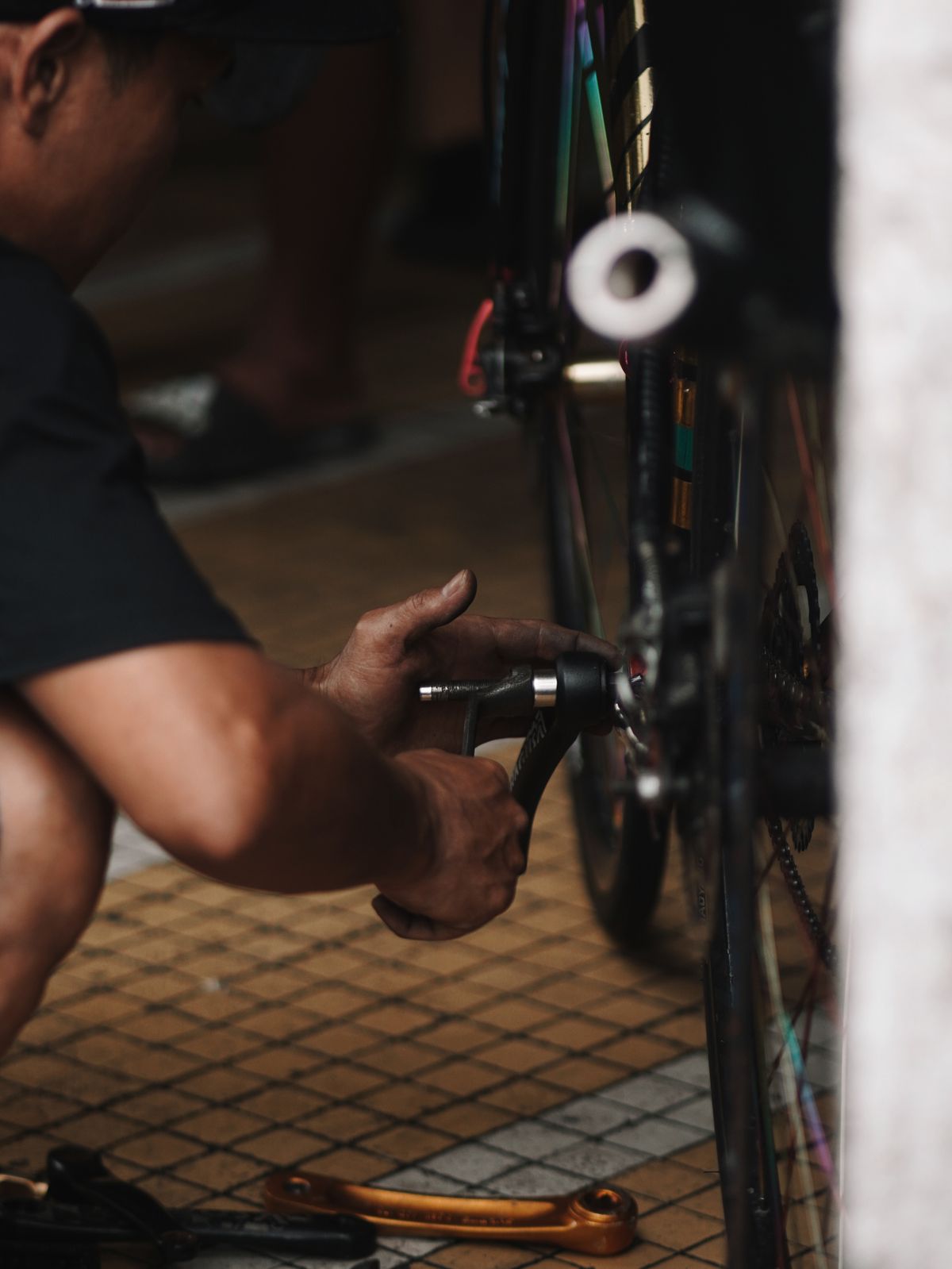
Inspect the handlebar, stem, and steering components for unexpected movement, damage, or looseness.
Saddle and seatpost
Confirm the saddle is secure and the seatpost is installed within the manufacturer's permitted adjustment range.
Pedals and crankset
Look for abnormal looseness, cracking, or unexpected mechanical movement. Unfamiliar problems should be professionally assessed.
Bolts and torque
Tighten fasteners only according to the manufacturer's specific torque requirements, using appropriate tools. Overtightening can damage components.
Mounted accessories
Check racks, panniers, baskets, bottle cages, lights, phone mounts, and fenders. Ensure attachments are secure and cannot interfere with steering, wheels, or braking.
Tools for thoughtful care.
A carefully chosen set of tools can make routine inspections and basic maintenance more convenient.
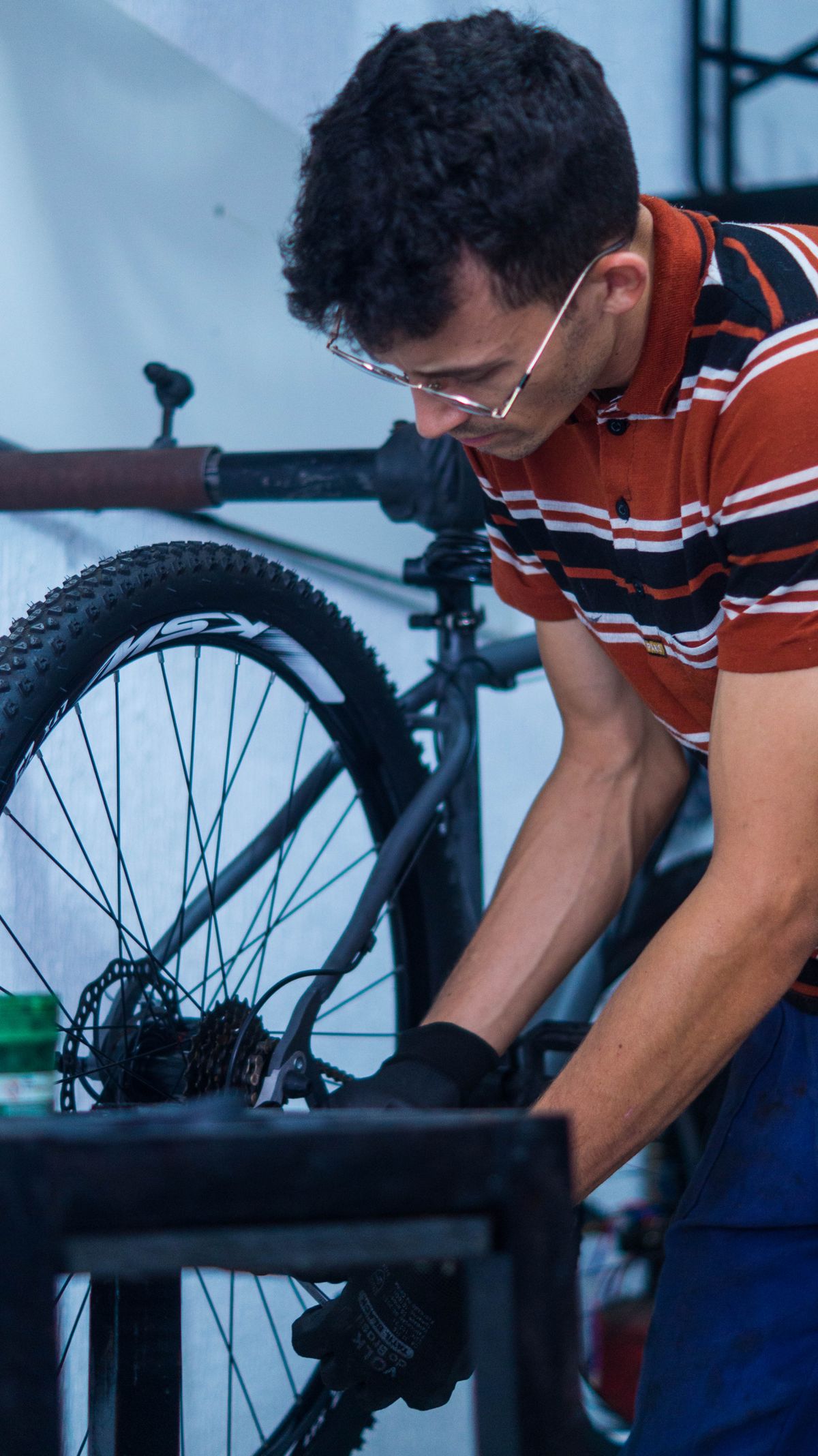
Choose equipment appropriate for your bicycle and the work you understand how to perform safely.
The goal is not to own every specialist tool. It is to have dependable, compatible essentials for the tasks you regularly undertake.
Pump & pressure gauge
Keep tires inflated appropriately using a compatible pump and reliable gauge.
Bicycle multitool
A compatible selection of hex and other tools can support suitable minor adjustments.
Brushes & cloths
Gentle brushes and cleaning cloths help remove accumulated dirt and residue.
Chain care supplies
Appropriate drivetrain cleaner and lubricant support regular chain care.
Puncture repair kit
Compatible tire levers, patches, tubes, or tubeless repair supplies can help with certain punctures.
Torque wrench
A suitable torque wrench helps apply specified tightening values when instructed.
Build a lasting routine.
Every bicycle has different maintenance needs. Use these stages to organize your routine, while following manufacturer service intervals and accounting for your riding frequency, conditions, and component wear.
Inspect.
Check tires, brakes, wheel security, steering, lights, and mounted accessories. Investigate any changes before riding.
Maintain.
Clean dirt and residue, inspect tires and drivetrain, check accessory attachment, and follow appropriate lubrication procedures.
Service.
Arrange component replacement, adjustments, or professional maintenance according to manufacturer requirements, wear, and mechanical condition.
Know when to ask an expert.
Routine care can be performed at home when you have the appropriate knowledge and tools. However, certain problems can affect rider safety and require specialized inspection or equipment.
A qualified mechanic can help diagnose issues involving brakes, wheel integrity, steering, drivetrain alignment, and structural components.
If an issue affects your ability to stop, steer, or maintain control, do not continue riding until it is resolved.
Unreliable brakes
Reduced stopping force, hydraulic leaks, inconsistent lever behavior, or severe brake noise require attention.
Wheel or steering problems
Damaged rims, loose steering, abnormal wheel movement, or uncertain axle security should be assessed.
Frame or fork damage
Cracking, deformation, or impact damage can affect structural integrity. Stop riding until evaluated.
Persistent mechanical faults
Recurring chain skipping, unusual noises, and unreliable shifting may indicate damage or adjustment problems.
Electric bicycle systems
Battery, charging, wiring, and motor faults require manufacturer- appropriate procedures and qualified service.
Unfamiliar installations
Safety-critical components should be installed with correct compatibility, tools, and manufacturer torque specifications.
Care continues between rides.
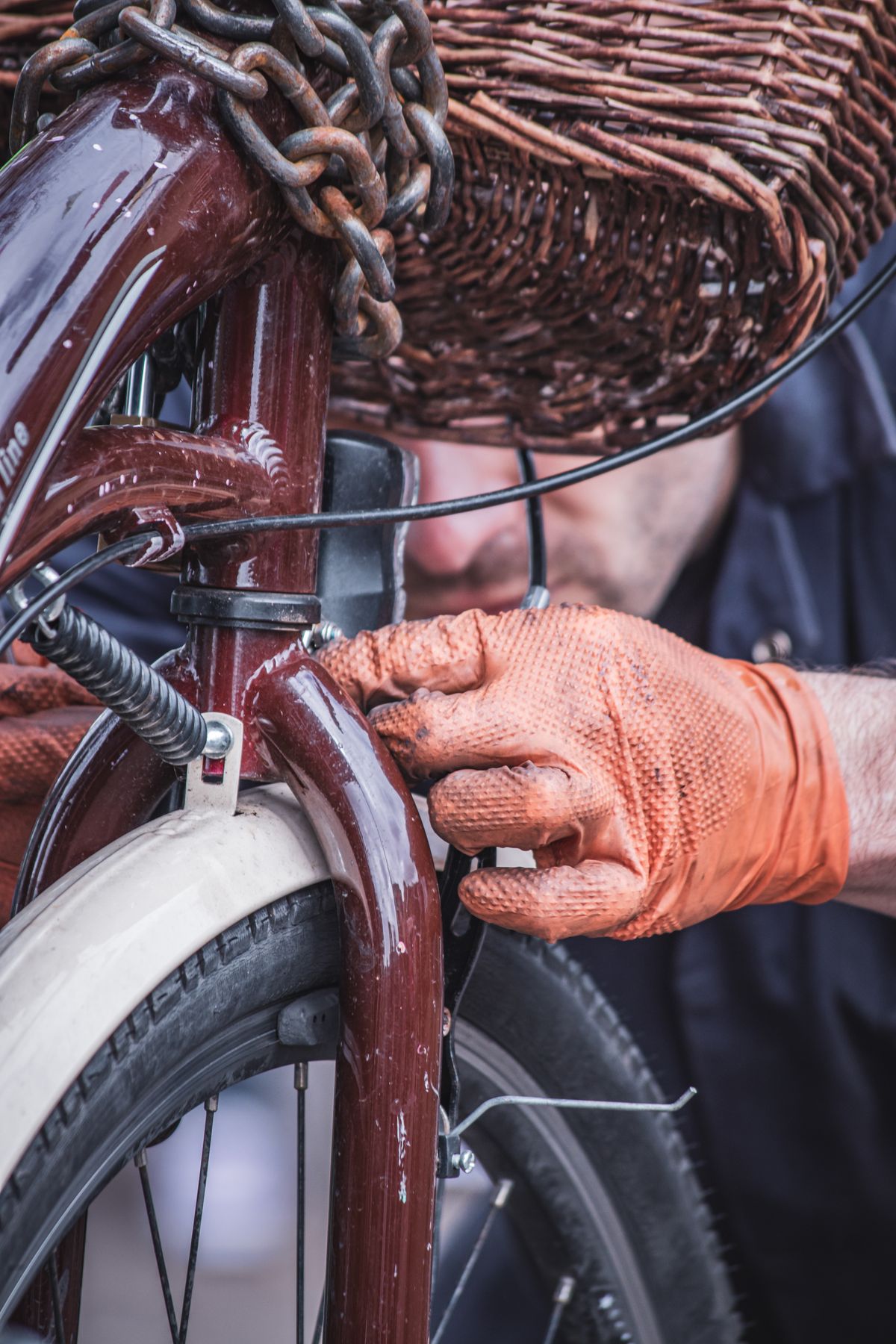
Storage conditions influence the long-term condition of a bicycle. Whenever possible, choose a secure, dry, well-ventilated space.
After riding in rain, mud, dust, or road salt, clean and dry the bicycle appropriately before extended storage.
Before returning to riding after a long period of inactivity, inspect tires, braking systems, wheels, steering, drivetrain, and accessories.
Electric bicycle batteries and electronic systems require specific storage and charging practices. Follow manufacturer guidance for temperature, charge level, and safe handling.
Keep track of the details.
Keeping a simple maintenance record makes it easier to remember completed services, identify recurring problems, and plan future inspections.
A record does not need to be complicated. A short note, spreadsheet, or workshop receipt can help preserve useful information.
Record when an inspection, repair, or replacement was completed.
Note which components were inspected, cleaned, adjusted, or replaced.
Keep compatible component details and relevant manufacturer references.
Record unusual noises, recurring problems, or changes in performance.
Plan the next check based on service guidance and actual riding conditions.
Here for your journey.
Every well-prepared ride begins with thoughtful choices. Practical tools, suitable inflation equipment, cleaning essentials, and reliable accessories help make regular preparation more convenient.
Our customer support team is available 24 hours a day, 7 days a week to answer questions about Cycnavo products, orders, and store services.
For technical diagnosis, safety-critical repairs, or unfamiliar installations, we recommend consulting a qualified bicycle mechanic.
Visit Our Contact PageCycnavo Customer Support
support@cycnavo.lol
451-65-1058
6901 Guinevere St
Corpus Christi, TX 78414
United States
24 hours a day, 7 days a week
A little care goes a long way.
Good maintenance is built on consistency, attention, and knowing when to seek help. Inspect the essentials, care for your equipment, and make preparation a natural part of the journey.